01
Hair Units & Installations
Natural-looking partial hair systems for women experiencing localized thinning or hair loss, professionally fitted, applied, cut, and blended for a secure, personalized finish.
Learn more →
HAIR LOSS SOLUTIONS • CUSTOM WIGS • HAIR SYSTEMS • EDUCATION
Personalized cranial prosthesis support, custom wigs, and professional wig-making education—created with care, skill, and discretion.
Care that honors
the whole woman.
TRU CRANIAL SOLUTIONS
Hair is personal, and every client deserves to feel seen, heard, and supported. Whether you need a partial hair unit, custom wig, cranial prosthesis support, or professional education, your experience will be tailored to you.
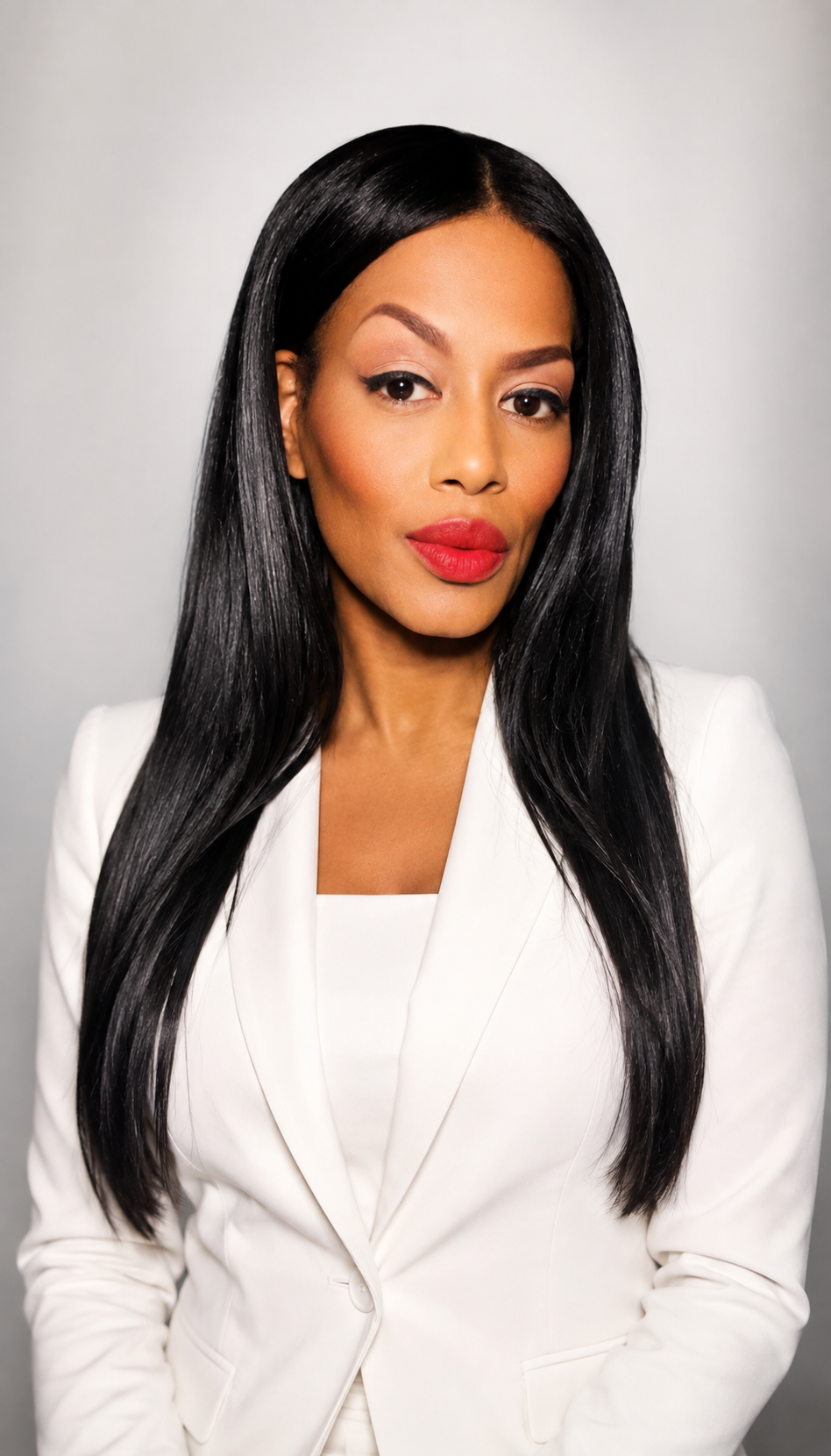
Orlané Benau A.K.A. Miss B
WHAT WE OFFER
Every service begins with a conversation, so we can understand what you need and guide you toward the right next step.
Natural-looking partial hair systems for women experiencing localized thinning or hair loss, professionally fitted, applied, cut, and blended for a secure, personalized finish.
Learn more →Thoughtfully constructed full-coverage wigs created around your preferred texture, density, color, fit, and everyday style.
Learn more →Private guidance for medically related hair loss, including consultation, measurements, documentation preparation, and help understanding possible insurance benefits. Coverage is not guaranteed.
Learn more →Hands-on hair-unit installation, wig-making education, and business training for licensed beauty professionals interested in cranial prosthesis services and insurance-support workflows.
Learn more →Handcrafted partial hair solutions created strand by strand for localized thinning and crown coverage, with custom texture, density, color, direction, and fit.
Learn more →NEW CUSTOM SERVICE
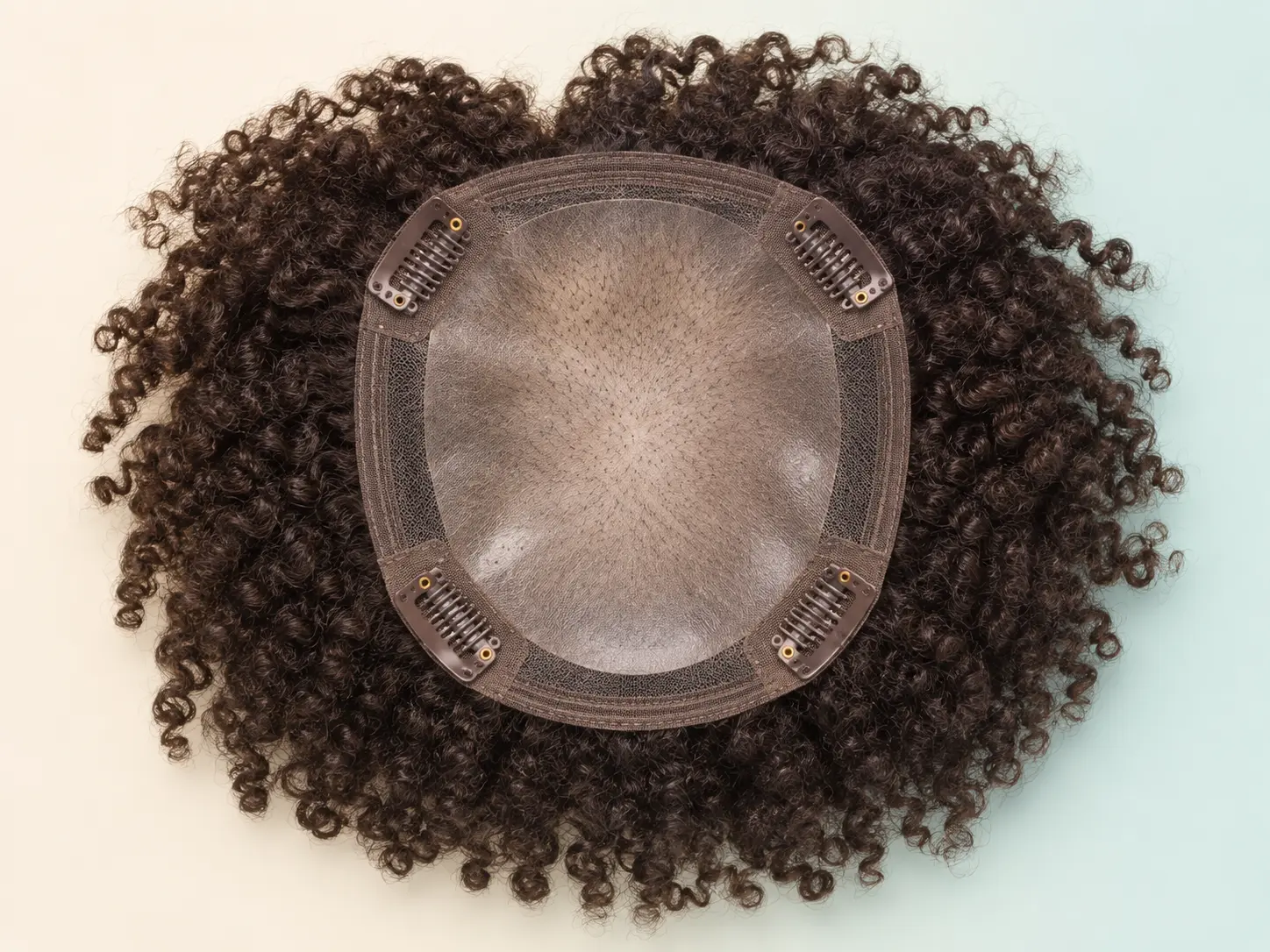
Designed for localized thinning and crown coverage, each topper is handcrafted around your measurements, texture, density, color, gray blend, length, and natural hair direction.
Starting at $1,495
View Topper Details →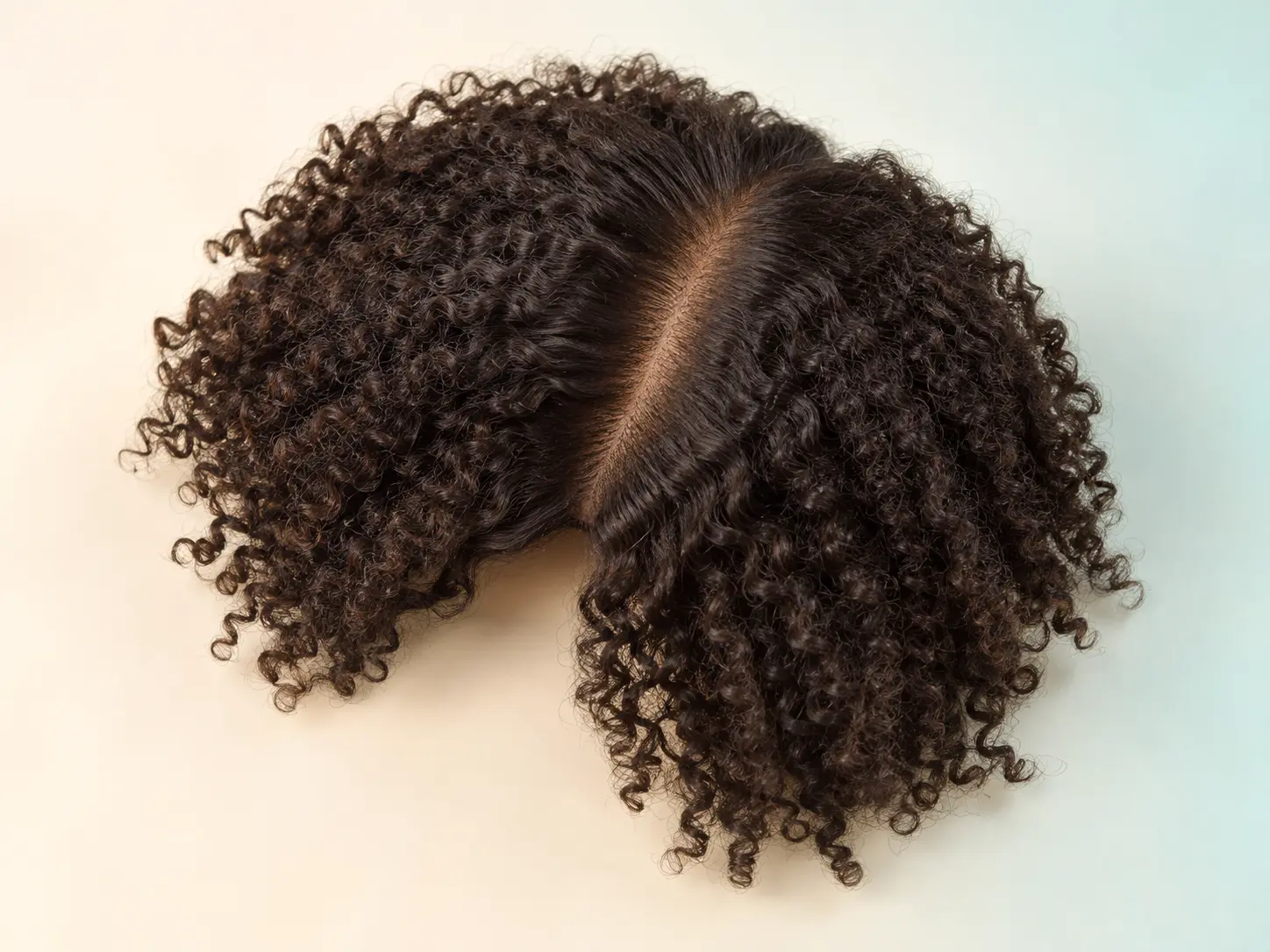
WHY CUSTOM?
Your hair replacement should complement your lifestyle, reflect your personal style, and feel comfortable throughout your day. At TRU Cranial Solutions, every client receives personalized guidance, professional measurements, thoughtful customization, and continued support.
From the hairline and density to the texture, color, cap construction, and fit, your unit is designed around you—not selected from a shelf.
TRANSFORMATION GALLERY
Explore hair-unit and custom-wig possibilities created with Black women, textured hair, personal style, and different stages of hair loss in mind.
View All Seven Transformations →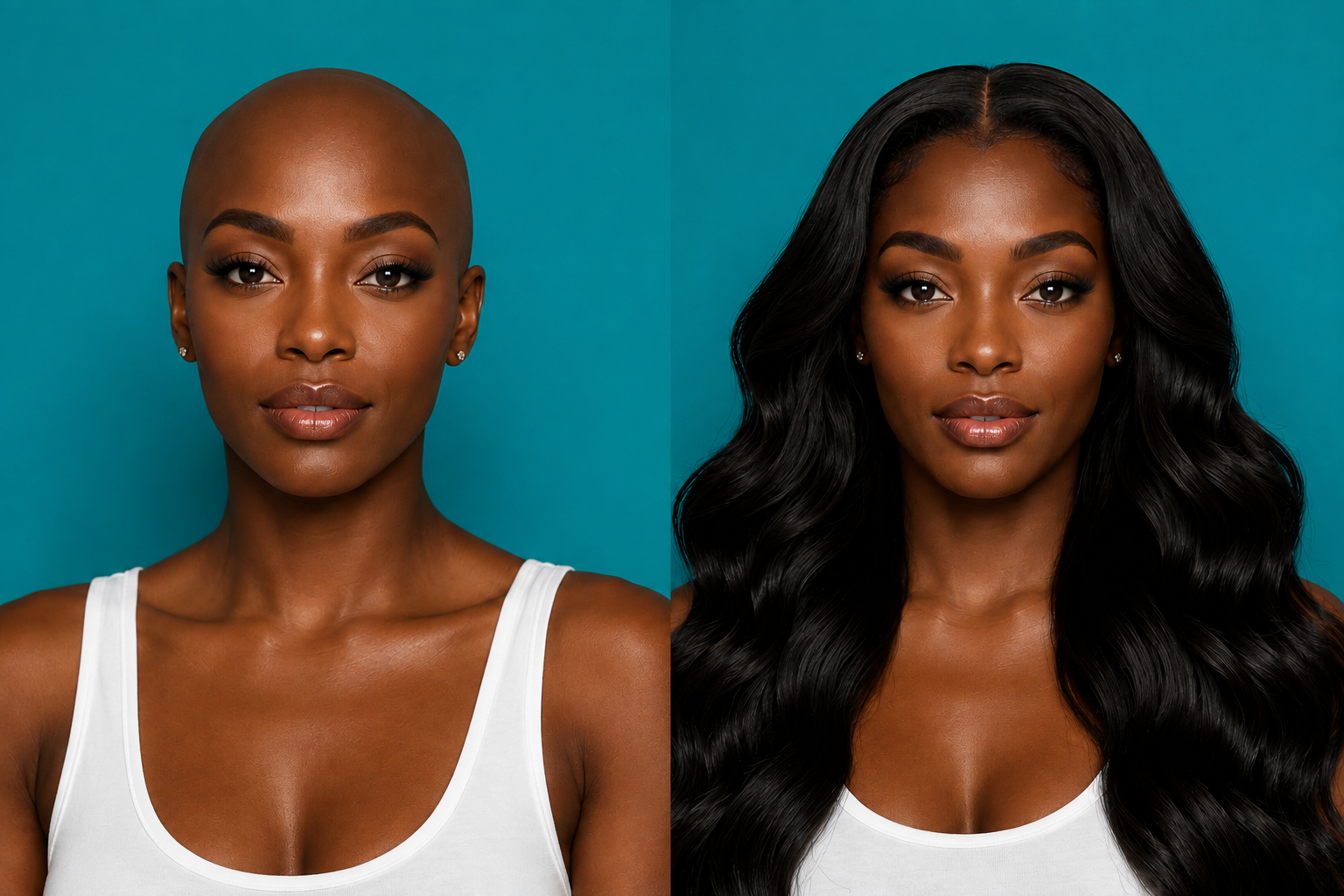
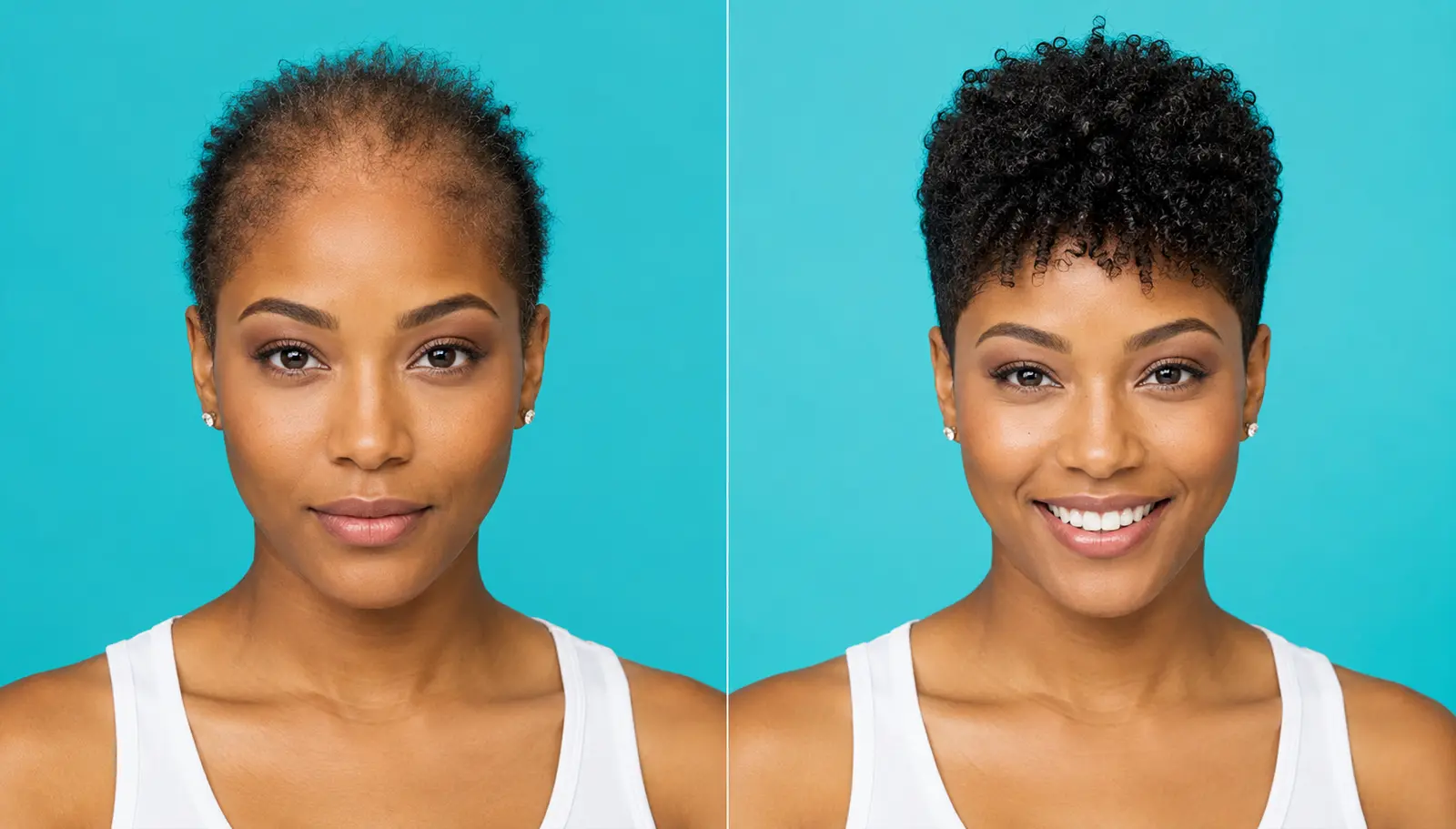
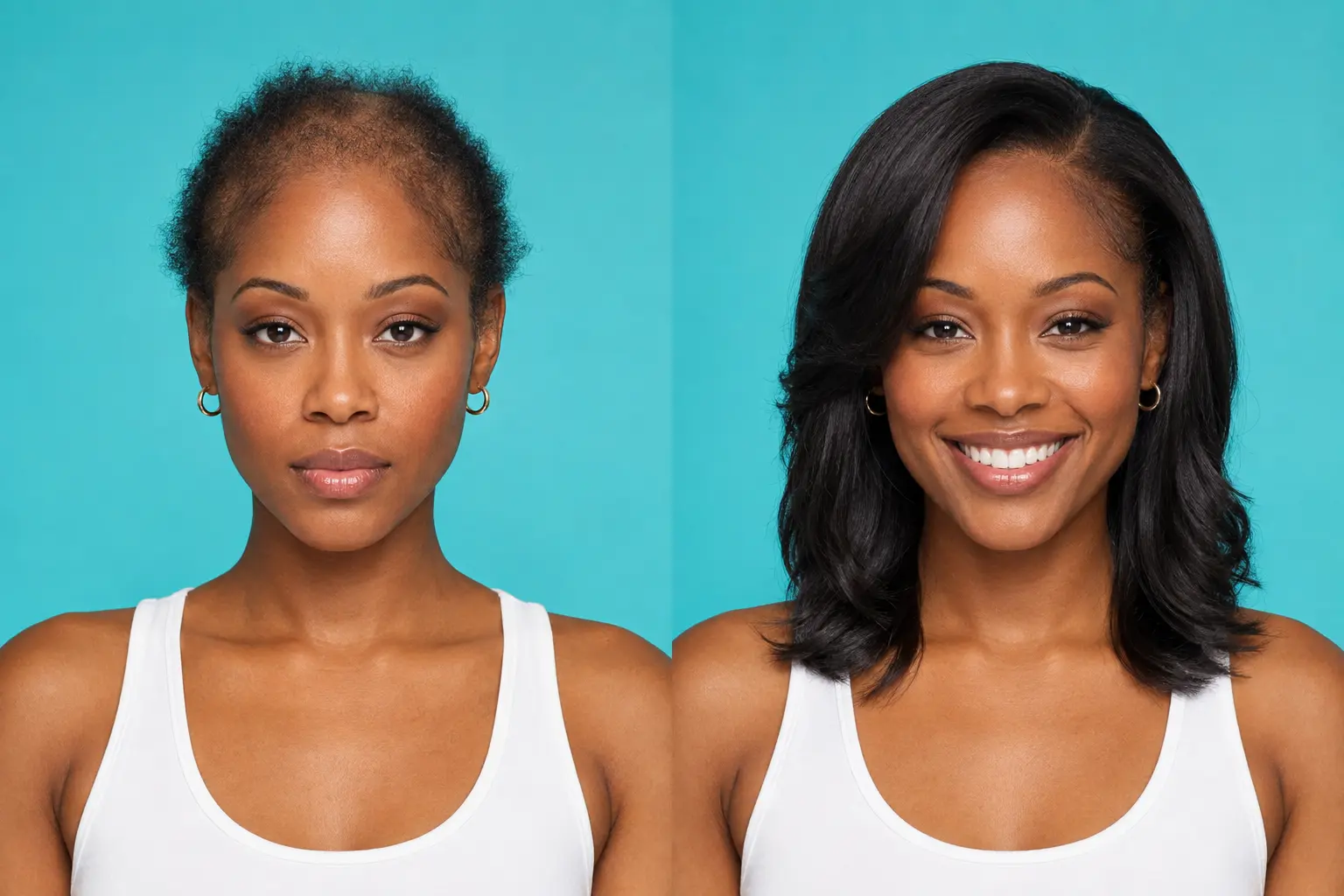
Client privacy is part of our care. TRU never posts or shares client photographs without express written authorization on file. These visual examples help clients privately explore possible hair-unit and custom-wig directions before a consultation. Individual results will vary.
YOUR HAIR-REPLACEMENT GUIDE
Use this guide to prepare for your consultation and learn about sizing, density, hair-unit bases, cap construction, and possible insurance benefits.
03 — HAIR UNIT SYSTEMS
Hair-unit bases differ in ventilation, durability, cleanup, attachment options, and how short the finished style can be cut. Your scalp condition, activity level, climate, desired style, and maintenance routine all matter.
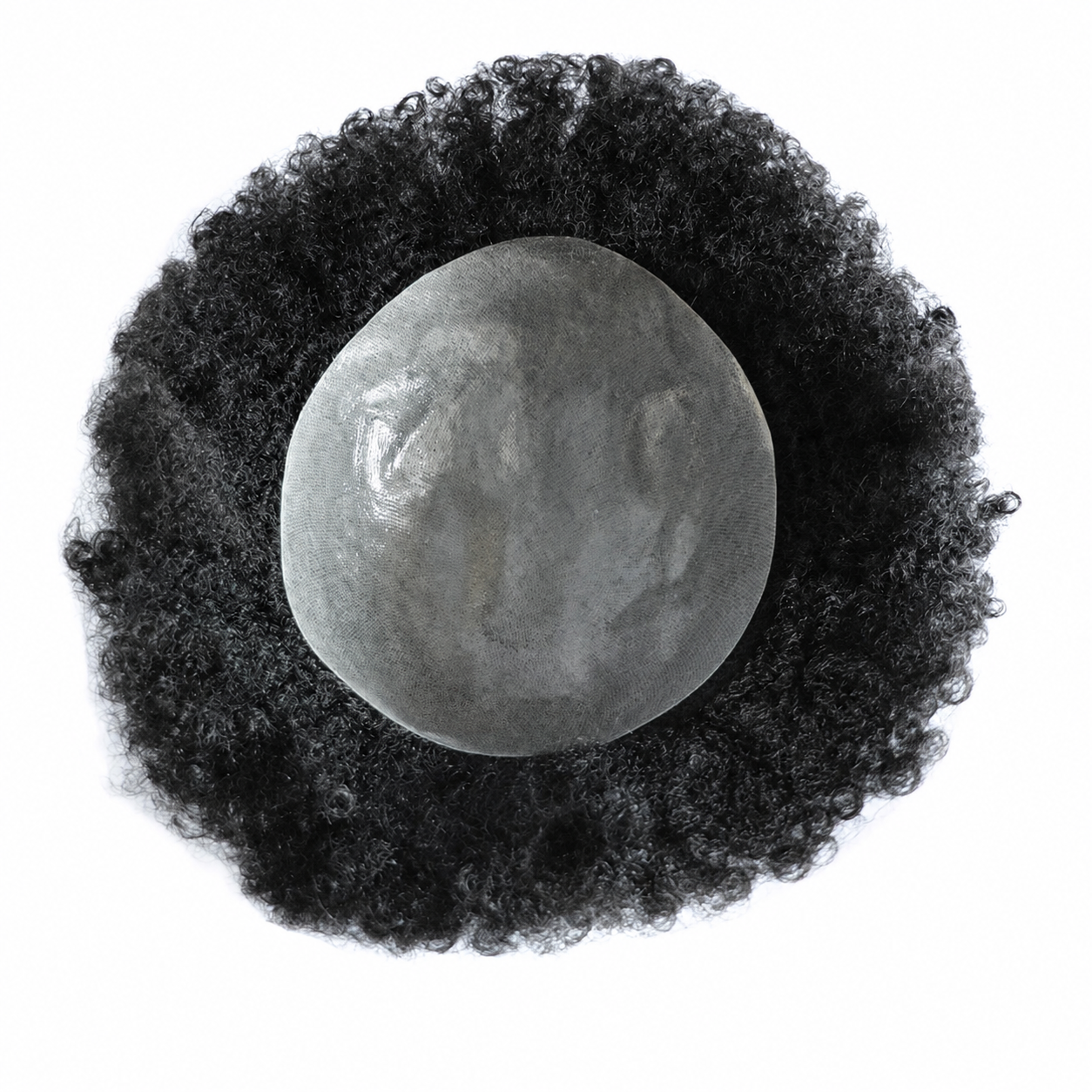
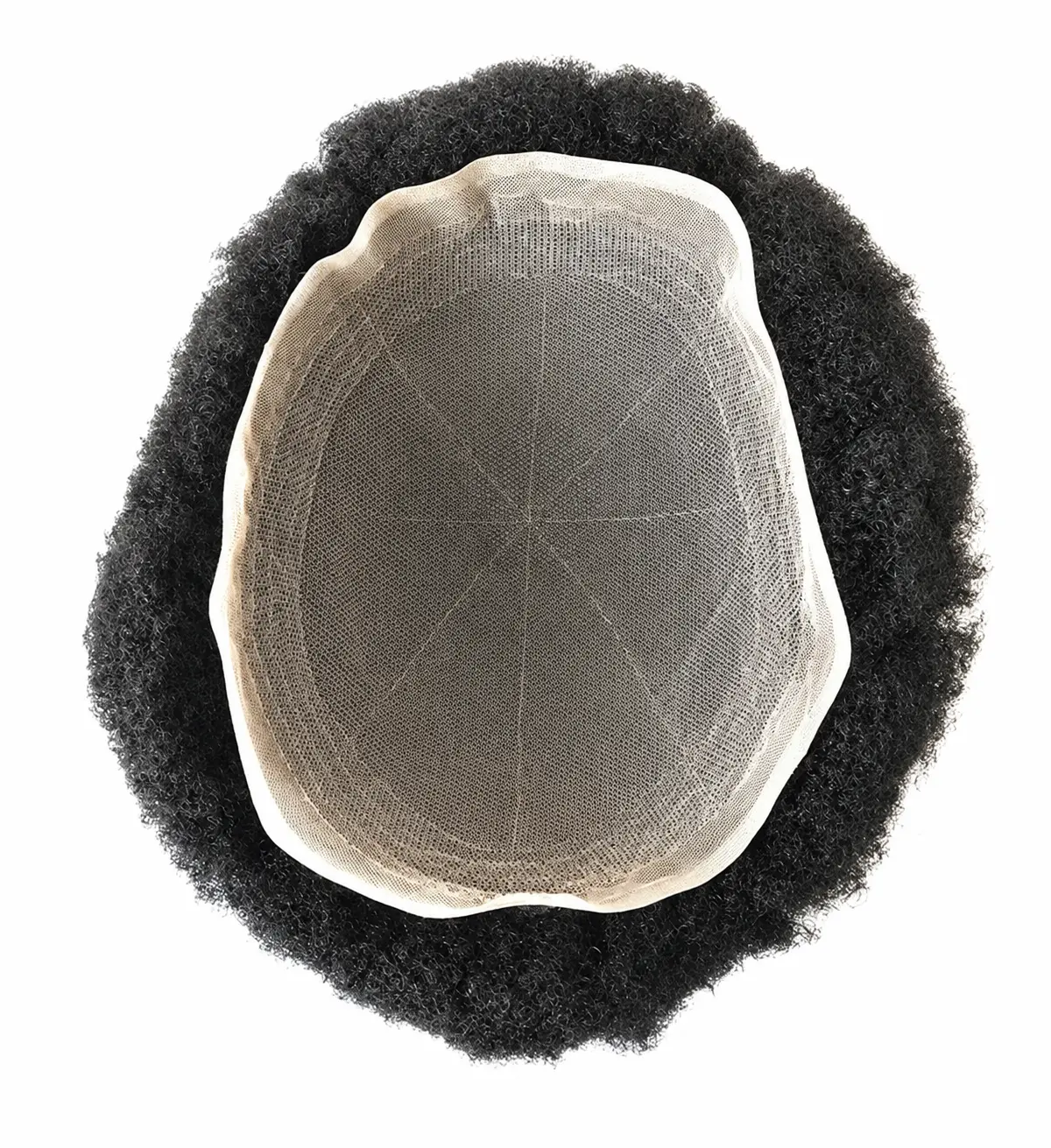
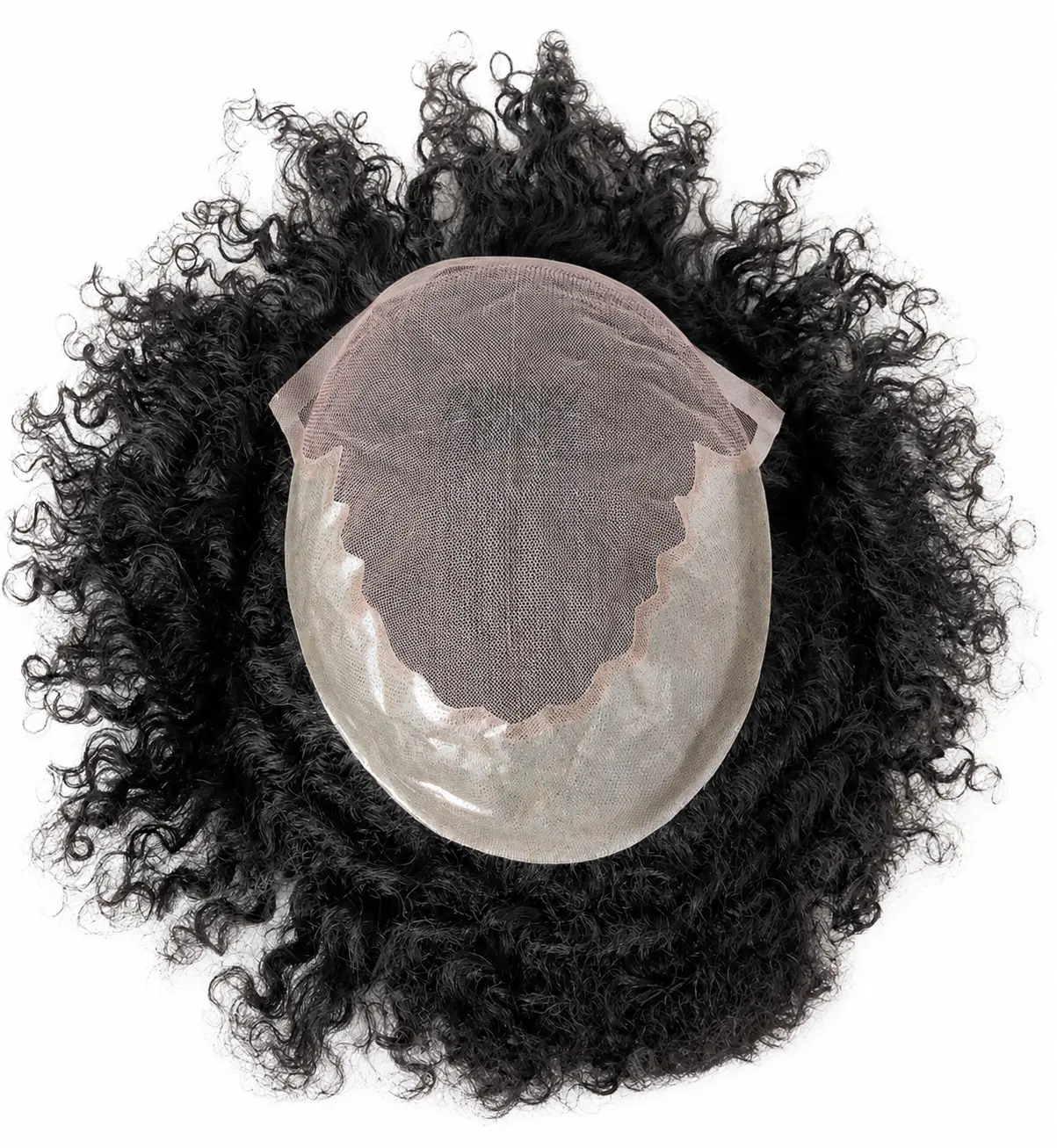
Service timing: Many professionally bonded units are serviced about every two to four weeks. The right schedule depends on scalp health, perspiration, climate, activity, adhesive, home care, and the specific unit. A consultation is required before choosing a base or wear schedule.
01 — SIZING
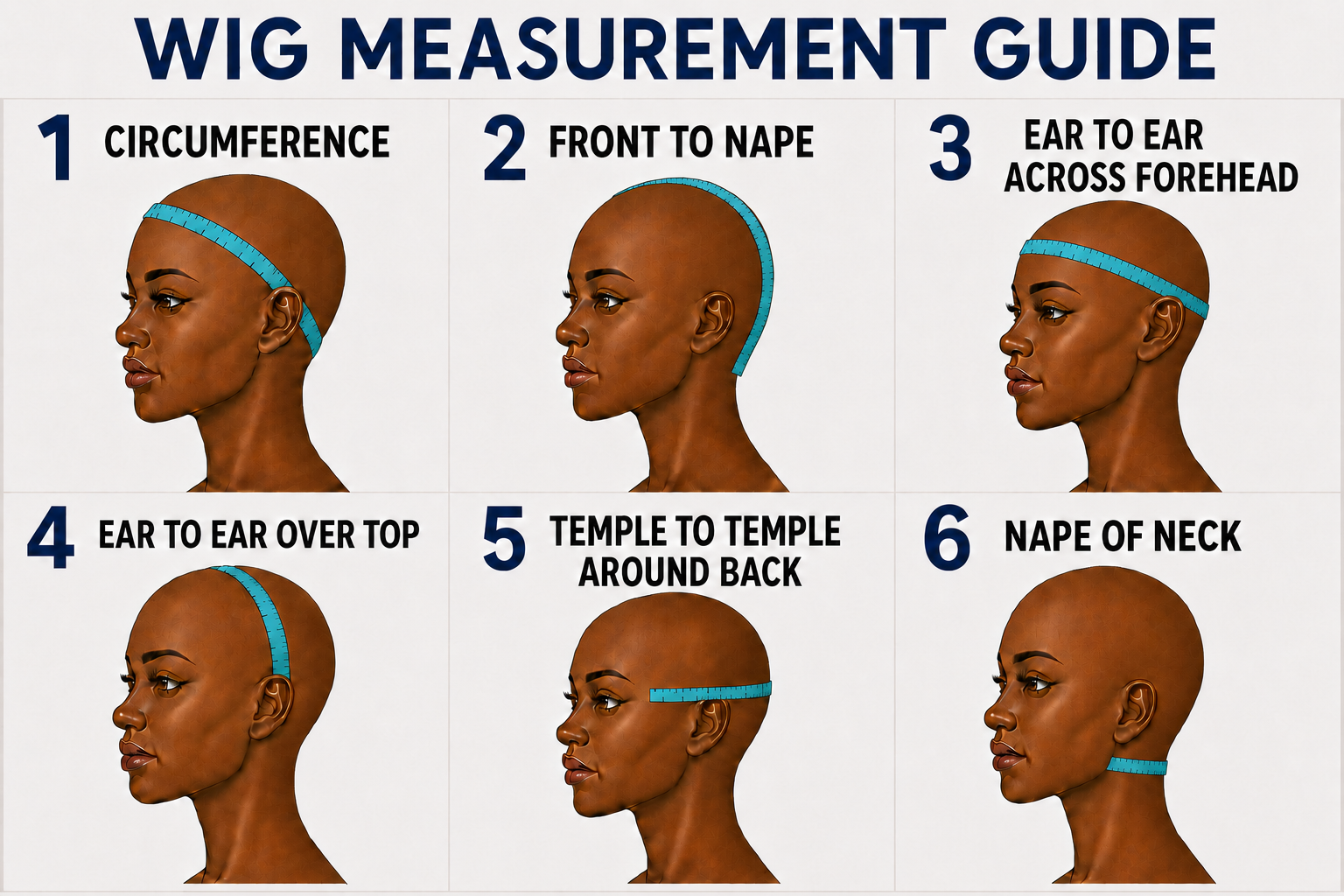
The right wig size is essential for a comfortable, secure fit. A wig that is too large may slide or leave gaps near the ear tabs. A wig that is too small may feel tight and can cause discomfort or headaches.
Lightly rest the tape against your head—do not pull or stretch it. Begin at your natural front hairline, wrap the tape around the back of your head at the bend of your neck, and return to the starting point.
Use this guide to understand how density affects fullness and how many bundles may be required based on your desired length.
| Wig Density | Description | 10"–16" | 18"–30" |
|---|---|---|---|
| 130% | Average density, standard for most wigs | 1 bundle | 1.5 bundles |
| 150%* | Medium density, slightly fuller than average | 1.5 bundles | 2 bundles |
| 180%** | Heavy density, full and thick appearance | 2 bundles | 3 bundles |
| 200% | Very heavy density, voluminous and glamorous | 3 bundles | 4 bundles |
| 220% | Extremely heavy density, ultra-full and dramatic | 4 bundles or more | 5 bundles or more |
* Premade wigs: Standard 150% density.
** Custom wigs: Much fuller than premade wigs and standard at 180% density.
Texture tip: Curly, wavy, and kinky-textured hair expands when combed out and appears thicker. Silky-straight textures have less volume and fullness.
04 — TYPES OF HAIR LOSS
Hair loss can be temporary, progressive, treatment-related, or permanent. The pattern and cause matter, so a qualified healthcare provider or dermatologist should evaluate new, sudden, painful, or unexplained hair loss.
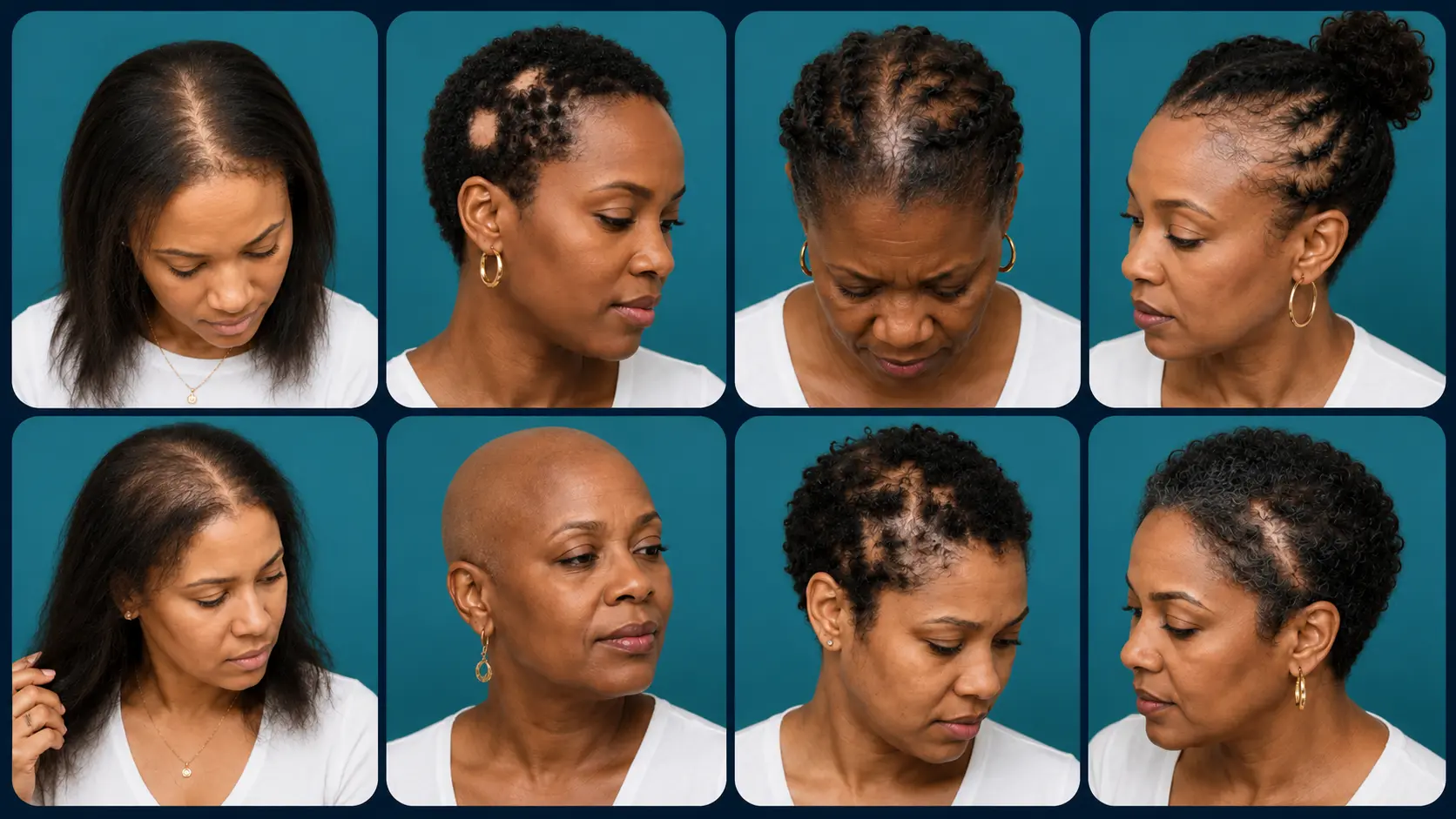
Certain chemotherapy medicines and radiation directed to the head may cause partial or complete hair loss. Regrowth varies by treatment and individual.
An autoimmune condition that commonly creates smooth, round patches. Alopecia totalis affects the entire scalp, while alopecia universalis affects the scalp and body.
Inflammation can damage follicles and replace them with scar tissue. Examples include central centrifugal cicatricial alopecia (CCCA), frontal fibrosing alopecia, and lichen planopilaris.
Androgenetic alopecia may appear as gradual thinning, a widening part, or recession around the temples and hairline.
Telogen effluvium can cause increased shedding after childbirth, serious illness, surgery, major stress, rapid weight change, or another physical trigger.
Repeated tension from tight braids, ponytails, extensions, locs, or similar styles can thin the hairline and may permanently damage follicles over time.
A mental health condition involving recurring urges to pull out hair, often leaving irregular areas of breakage or loss. Compassionate behavioral-health support can help.
Burns, wounds, surgical procedures, or other trauma to the scalp may interrupt growth temporarily or permanently when follicles are scarred.
Thyroid disorders, hormonal changes, autoimmune illness, anemia, and nutritional deficiencies can contribute to thinning or shedding.
Some medications and scalp infections may lead to hair loss. A provider can identify the cause and discuss appropriate treatment.
Education, not diagnosis: These examples are not a complete list. TRU provides hair-replacement education and support; diagnosis and treatment belong with a licensed healthcare provider.
05 — CAP CONSTRUCTION
The base of your unit influences how natural it looks, how it feels on the scalp, and how much styling freedom you have. These four examples make the differences easy to see. During your consultation, we will help you match the right construction to your comfort, lifestyle, preferred parting, and desired wear time.
A lightweight lace foundation covers the entire cap, creating a realistic hairline and flexible parting throughout. It is a strong choice when natural movement and versatile styling are priorities.
This combination pairs a breathable lace or monofilament center with a polyurethane perimeter. The center supports a natural look, while the smooth edge offers a secure area for tape or adhesive when needed.
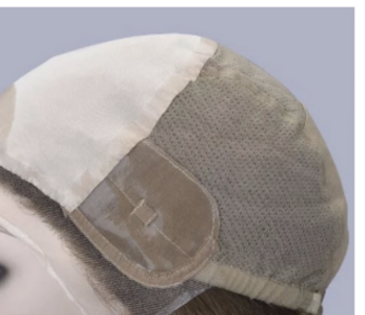
A thin skin-style base provides durability and a close fit, while the lace front softens the hairline for a more natural finish. It offers a practical balance of realism, comfort, and everyday wear.
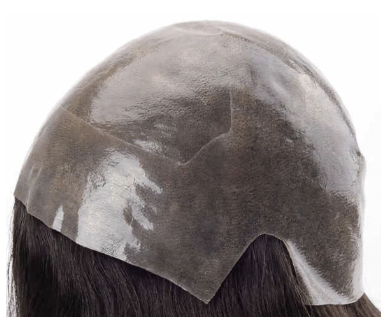
A smooth, ultra-thin base sits close to the scalp and creates a highly realistic appearance. Thickness affects softness, durability, and expected wear, so the best option depends on your personal needs.
Important: No single cap is best for everyone. Scalp sensitivity, attachment method, climate, daily routine, and maintenance preferences should all guide the final selection.
06 — COVERAGE
A cranial prosthesis is a hair-replacement unit prescribed for temporary or permanent hair loss related to a diagnosed health condition or treatment. Some health insurance plans may cover part or all of the cost when plan requirements are met.
Benefits, eligible diagnoses, documentation, reimbursement amounts, deductibles, and frequency limits vary by plan. Contact your insurer before purchasing and ask specifically about coverage for a cranial prosthesis. We can help you understand common documentation requirements, but coverage is never guaranteed.
Cranial Prosthesis Support
For qualifying medically related hair loss, your health plan may provide benefits toward a cranial prosthesis. We help you understand the process and the documents that may be requested. Coverage is not guaranteed and varies by plan.
Book Your Cranial ConsultationFREQUENTLY ASKED QUESTIONS
Learn about fit, care, styling, insurance terminology, and possible tax considerations. Your insurer, healthcare provider, and tax professional remain the best sources for guidance specific to you.
A cranial prosthesis is a medical device designed specifically for sensitive, hair-free scalps. Unlike standard fashion wigs, prostheses use hypoallergenic, medical-grade materials, advanced knotting to prevent scalp scraping, and custom head-molding for a secure fit without harsh glues.
Many insurance companies cover between 80% and 100% of the cost. However, coverage depends on your specific policy and requires a doctor’s prescription stating ‘cranial prosthesis’ along with a medical diagnosis code.
Insurance companies view ‘wigs’ as cosmetic, luxury items. To get approved, all documentation, invoices, and prescriptions must explicitly use the medical term ‘Cranial Prosthesis’ and include the correct healthcare billing codes (such as HCPCS code A9282).
While some semi-permanent, medical-grade systems can be worn for weeks at a time, it is generally recommended to remove your prosthesis before sleeping or showering. Removing it extends the lifespan of the hair piece and allows your scalp to breathe.
With proper care and maintenance, a high-quality human hair prosthesis typically lasts between 6 months to over a year. Synthetic options generally have a shorter lifespan of 4 to 6 months depending on daily wear and styling habits.
If your prosthesis is made from 100% human hair, you can safely use heat styling tools (like flat irons and curling wands) and customize the color. If it is synthetic, you must only use specialized low-heat or heat-friendly styling tools to prevent melting the fibers.
Yes. If your insurance provider denies your claim or only offers partial coverage, the remaining out-of-pocket costs can be qualified as a tax-deductible medical expense, provided your total medical expenses exceed 7.5% of your adjusted gross income.
HANDS-ON WIG-MAKING EDUCATION
Add a high-income luxury service to your business by learning how to create custom sewing-machine wigs designed to last two years or longer with proper care. Whether you are just getting started or expanding your services, this beginner-friendly class will give you the skills and confidence to create beautiful, long-lasting wigs your clients will love.
WHAT YOU’LL LEARN
By the end of class, you will have the knowledge to confidently create professional-quality custom wigs and add a valuable service to your business.
CLASS OPTIONS
Basic Class
$700For students who already own a sewing machine.Deluxe Class
$1,100Go home equipped to continue practicing your new skill.Ultimate Class
$1,400Everything is included for a complete premium experience.45-DAY STUDENT SUPPORT INCLUDED
After attending, you will receive 45 days of access to our private Skool community. Ask follow-up questions, watch additional instructional videos, receive feedback, and continue growing alongside other students in our expanding community.
BOOKING & POLICIES
Review the three package options, then complete the October 8 interest form. You may also request a complimentary introductory call before enrolling.
Open October 8 Interest FormCHOOSE YOUR TRAINING PATH
TWO-DAY BUSINESS + HANDS-ON INTENSIVE • METRO ATLANTA
Learn the business foundations behind cranial prosthesis services, insurance-support workflows, and hair-unit selection—then move into a complete live demonstration and guided hair-unit application lab.
DAY 1 — BUSINESS FOUNDATIONS
Understand medical hair loss, cranial prosthesis terminology, client experience, and the role of the beauty professional.
Compare PU/skin, lace, and hybrid bases, along with products, maintenance considerations, and vendor sourcing.
Organize professional requirements, intake workflows, provider-facing materials, and the administrative steps that may apply to your business.
Learn common billing terminology, prescriptions, eligibility, documentation, credentialing considerations, and reimbursement workflows.
Develop responsible pricing, identify potential clients, build referral relationships, and present your services professionally online.
DAY 2 — DEMO, THEN DO
Watch the complete hair-unit application on a live model, then repeat the process through guided mannequin practice with instructor feedback.
WHAT’S INCLUDED
Professional resources, classroom supplies, and continued support are built into the experience.
A unit for your guided classroom application.
Trial-size adhesive, tape, spray, and essential consumable supplies.
Structured learning materials and a certificate of completion.
A professional TRU lab coat for your presentation and headshots.
Polished images to help you introduce your new service.
Catered lunch, snacks, and refreshments on both days.
Guidance for organizing provider, insurance, intake, and client-documentation steps.
Suggested sources for units, products, and professional supplies.
Continued education, questions, and community support after class.
30 DAYS OF SUPPORT INCLUDED
Your training does not end after Day 2. Your first 30 days include continued education, follow-up questions, coaching, and access to the private TRU student community.
OCTOBER 24–25 • METRO ATLANTA
Only ten seats are available, first come, first served. Qualified applicants beyond capacity will be placed on the waiting list.
Licensed cosmetologists, barbers, and current beauty students may complete the interest form to receive enrollment details and verification steps.
Join the Priority ListLET’S BEGIN
Tell us whether you are interested in a custom wig, cranial prosthesis support, hair-unit installation, or professional training.
Schedule a Complimentary Call ↗Paid custom-wig and cranial-prosthesis consultations may be booked above.